
A single instruction channel
One point of contact translates business priorities into coordinated filings and local instructions.
Regional IP strategy
Local legal judgment, coordinated through one regional point of contact for businesses and foreign counsel protecting IP across Central America.
MMonivation IP
Trademark and intellectual property rights are territorial. Protection across Central America therefore requires decisions about where to file, what to protect and how to keep the strategy consistent while respecting the rules and examination practice of each jurisdiction.
MMonivation IP
Identify the exact applicant and use the same ownership information consistently across filings.
Prioritize jurisdictions according to sales, manufacturing, distribution, licensing and expansion plans.
Confirm which versions require protection: word mark, logo, product name or other distinctive sign.
Prepare a commercially accurate goods and services list and coordinate its treatment across countries.
Conduct country-specific searches and assess similar—not merely identical—earlier rights.
Identify any priority deadline arising from an earlier application.
Set a regional budget that includes filing, prosecution, publication, opposition and maintenance scenarios.
Centralize deadlines, status reports and instructions so the portfolio remains visible and consistent.
One point of contact translates business priorities into coordinated filings and local instructions.
Each application is handled with the judgment required by the relevant registry and jurisdiction.
Clients receive comparable status updates, budgets and recommendations across countries.
Renewals, recordals, watching and enforcement decisions remain connected to one regional strategy.
Firm insights
MMonivation IP
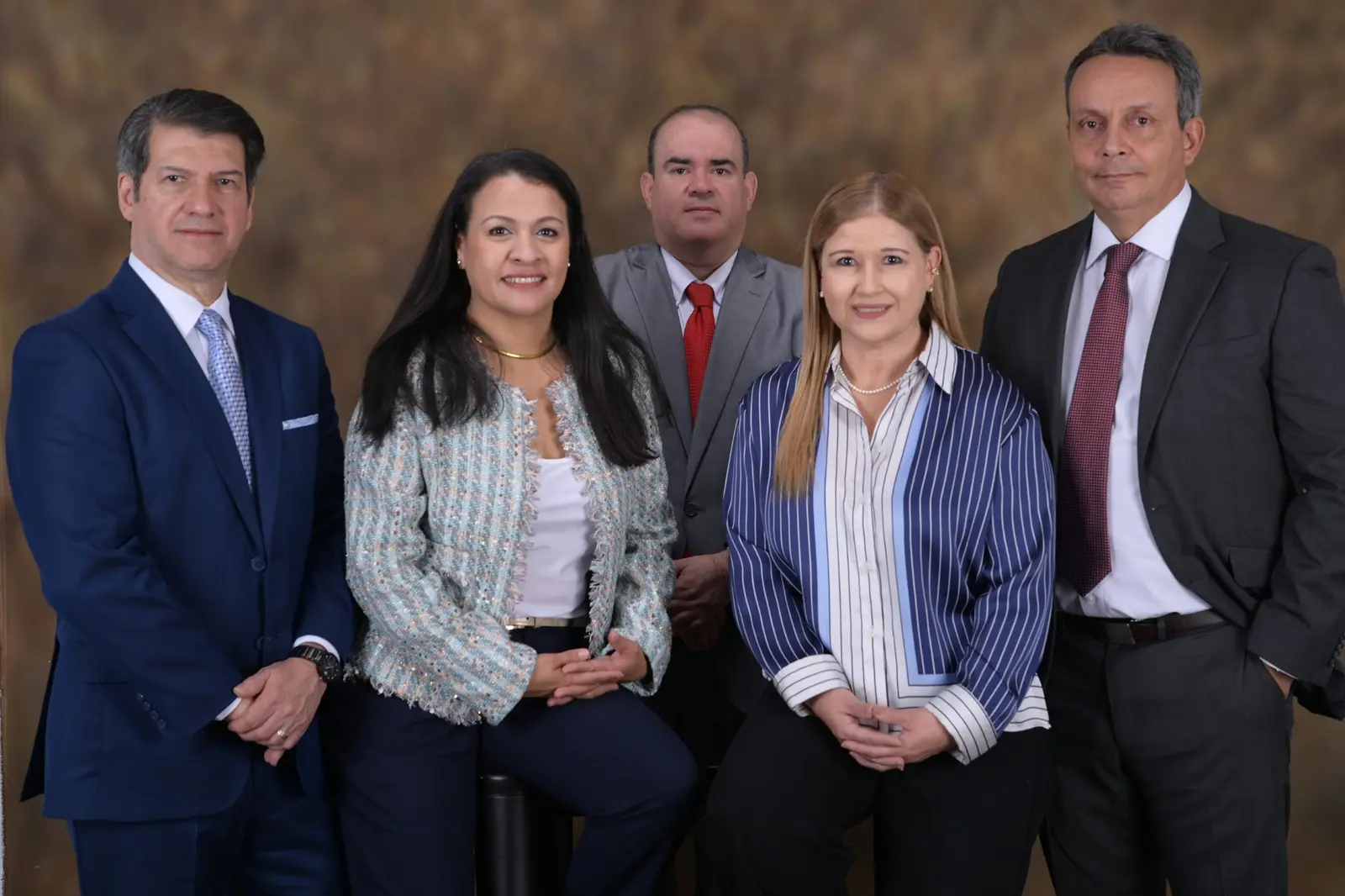
With offices in Costa Rica, El Salvador and Honduras, MMonivation IP coordinates intellectual property matters across Central America and the Caribbean through a single regional relationship.
Reviewed by MMonivation IP’s regional team · Updated September 2026
Requirements and procedures vary by jurisdiction and matter. This guide provides general information, not advice for a particular case.